
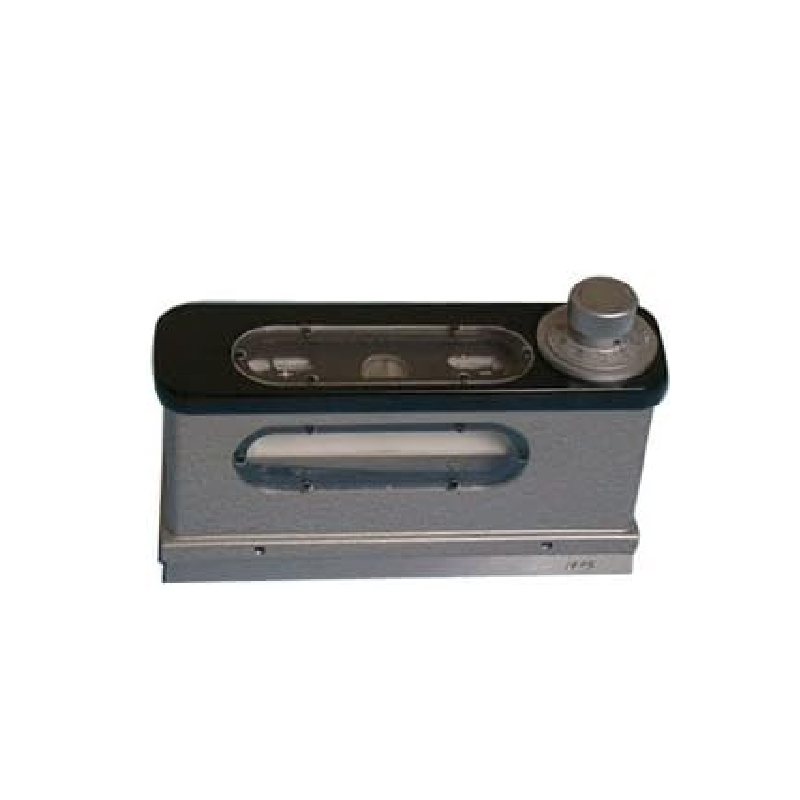
antique mirror panels
Understanding M6 Thread Gauge Precision in Screw Threads In the world of engineering and manufacturing, precision is paramount. One tool that ensures this level of accuracy is the M6 thread gauge, an essential device for quality control and inspection processes. The 'M6' in the term refers to the metric screw thread standard, specifying a major diameter of 6 millimeters and a pitch - the distance between each thread - typically either 0.75 or 1 millimeter, depending on whether it's a fine or coarse thread. A thread gauge, also known as a pitch gauge or thread ring gauge, serves as a reference for measuring the conformity of threads to established standards. It's a simple yet critical tool that allows technicians to verify if a thread has been cut correctly, ensuring that nuts and bolts will fit together seamlessly and function efficiently. The M6 thread gauge comes in two primary types go and no-go gauges. The 'go' gauge is designed to fit easily into the thread, while the 'no-go' gauge should only marginally enter or not enter at all. If the thread accepts both, it's too big; if it rejects the 'go' gauge, it's too small. If it accepts the 'go' and rejects the 'no-go', the thread is within acceptable limits, indicating precise threading. The importance of the M6 thread gauge extends beyond its functionality. It promotes safety, efficiency, and cost-effectiveness in various industries It promotes safety, efficiency, and cost-effectiveness in various industries It promotes safety, efficiency, and cost-effectiveness in various industries It promotes safety, efficiency, and cost-effectiveness in various industries m6 thread gauge . In construction, for instance, accurate threading ensures structural integrity. In machinery, it prevents equipment failure due to loose or overly tight connections. In manufacturing, it streamlines production by reducing the need for rework and minimizing waste. Moreover, the M6 thread gauge is not just a tool but a testament to human ingenuity and the pursuit of precision in design. Its simplicity belies its critical role in maintaining quality standards and preventing potential issues down the line. It underscores the importance of understanding and adhering to international standards like ISO or ANSI in global manufacturing. In conclusion, the M6 thread gauge is a small but significant element in the grand scheme of engineering and manufacturing. Its usage reflects the value placed on precision, quality, and safety in these fields. As technology advances, so does the importance of such tools, ensuring that every screw, bolt, and nut fits perfectly into place, securing our structures, machines, and ultimately, our world.
about
antique mirror panels
Understanding Level Supplier Relationships in Supply Chain Management In today's dynamic business environment, the concept of level suppliers has gained significant traction within supply chain management. Level suppliers refer to the different tiers of suppliers that contribute to the production and delivery of a product or service. Understanding the structure and dynamics of these relationships is crucial for companies seeking to optimize their supply chains and improve overall operational efficiency. The Importance of Level Suppliers At the core of supply chain dynamics lies a network of suppliers that can be categorized into various levels. Level 1 suppliers are typically direct suppliers, providing raw materials or components directly to manufacturers. Level 2 suppliers, on the other hand, supply products or services to Level 1 suppliers. This hierarchy continues with Level 3 suppliers and beyond, forming a multi-tier supply chain. The significance of understanding these levels cannot be overstated. Each tier plays a vital role in delivering the final product to consumers. By analyzing the entire supplier hierarchy, organizations can identify potential risks, manage costs, and maintain quality control throughout the supply chain. This holistic view allows businesses to anticipate disruptions and implement strategic measures to mitigate them, ensuring greater resilience in the face of uncertainty. Building Strong Relationships Establishing solid relationships with level suppliers is an essential strategy for sustainable growth. Communication, collaboration, and trust are paramount in creating a robust supplier network . Companies must engage with their suppliers regularly to understand their capabilities, challenges, and contributions to the overall supply chain. Moreover, collaboration with Level 2 and Level 3 suppliers can foster innovation and efficiency. For instance, manufacturers can work closely with their suppliers to co-develop new technologies or materials that can enhance product quality or reduce costs. By involving suppliers in the product development process, businesses can leverage the expertise of their partners while building a sense of loyalty and commitment. level supplier Risk Management and Supply Chain Resilience The interconnectedness of level suppliers introduces multiple layers of risk within the supply chain. Natural disasters, geopolitical tensions, economic fluctuations, and other unforeseen events can disrupt operations at various levels. As such, companies must adopt a proactive approach to risk management. Diversifying the supplier base is one effective strategy to mitigate risks. By engaging multiple suppliers at different levels, businesses can ensure a steady supply of materials and components, even if one supplier faces challenges. Additionally, implementing technology solutions like supply chain visibility tools can help organizations monitor and assess the health of their supply chain, enabling them to react swiftly to potential disruptions. Cost Efficiency and Sustainability Level supplier management also presents opportunities for cost efficiency. By analyzing the performance and capabilities of suppliers across different levels, businesses can negotiate better terms, reduce lead times, and optimize inventory management. This approach not only lowers costs but also enhances the overall agility of the supply chain. Moreover, sustainability is becoming an increasingly important consideration in supplier relationships. Companies are now looking to partner with suppliers who adhere to sustainable practices, such as responsible sourcing and eco-friendly manufacturing processes. Incorporating sustainability into supplier selection criteria not only benefits the environment but also improves brand reputation and appeal to increasingly conscious consumers. Conclusion In conclusion, the concept of level suppliers is integral to effective supply chain management. By understanding the layers of supplier relationships, building strong partnerships, managing risks, and pursuing cost efficiencies and sustainability, organizations can enhance their supply chain performance. Companies that prioritize these aspects will be better positioned to navigate the complexities of modern supply chains, ensuring long-term success in an ever-evolving marketplace. Embracing level supplier strategies is not just a tactical choice; it is a fundamental element of a resilient and forward-thinking business approach.
-

High quality industrial productsagement

High quality industrial products
View Details -

Meet the diverse needs of customers

Meet the diverse needs of customers
View Details -

Strict quality control

Strict quality control
View Details -

Top raw materials

Top raw materials
View Details -

Trusted supplier

Trusted supplier
View Details
Our application


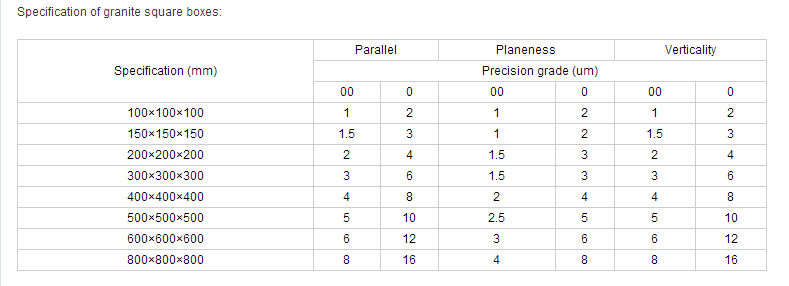
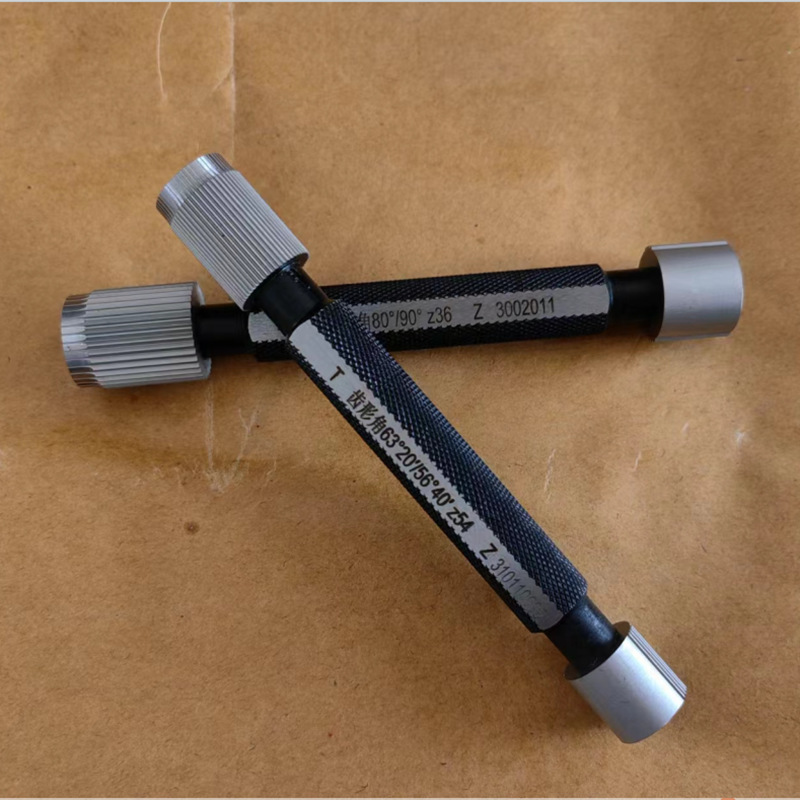
news and information
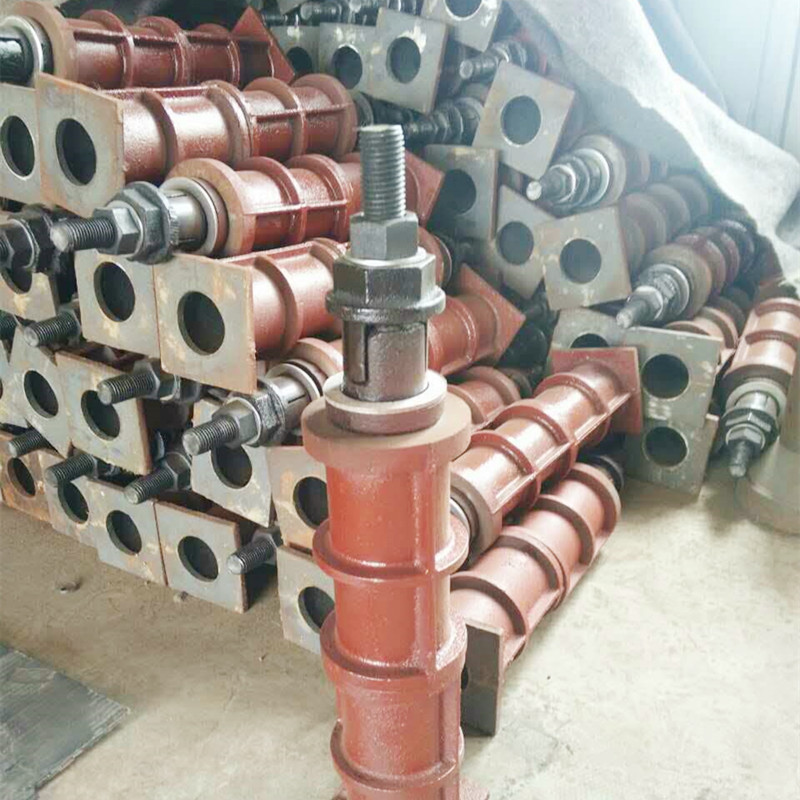
welding workbench
The Welding Workbench Essential Equipment for Metal Fabrication Welding is a fundamental process in

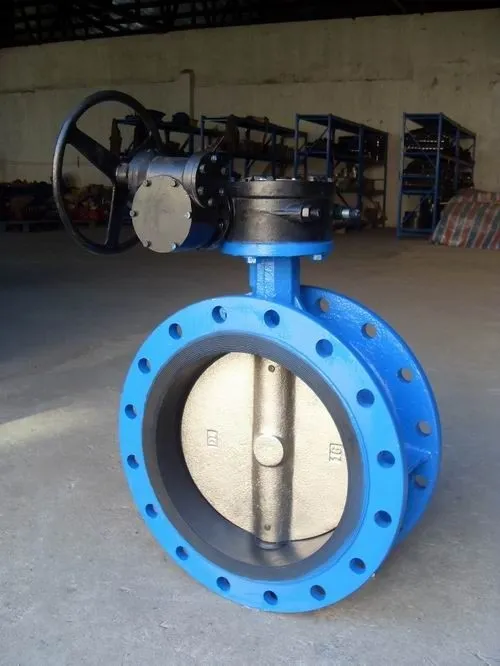
Valve de 10 pouces
Les vannes à papillon de 10 pouces jouent un rôle crucial dans la gestion des fluides dans divers sy
Using a Spirit Level for Accurate Measurement and Alignment in Various Projects
The Importance of the Spirit Level A Fundamental Measuring Tool In the world of construction and car
 English